TheGymFaction
Ready to Transform? Scan to Get the FREE App!
Personalized Workouts, Diet Plans, and Wellness Tracking at Your Fingertips


Bear Crawl Exercise: Benefits, Proper Form, and Step-by-Step Workout Guide
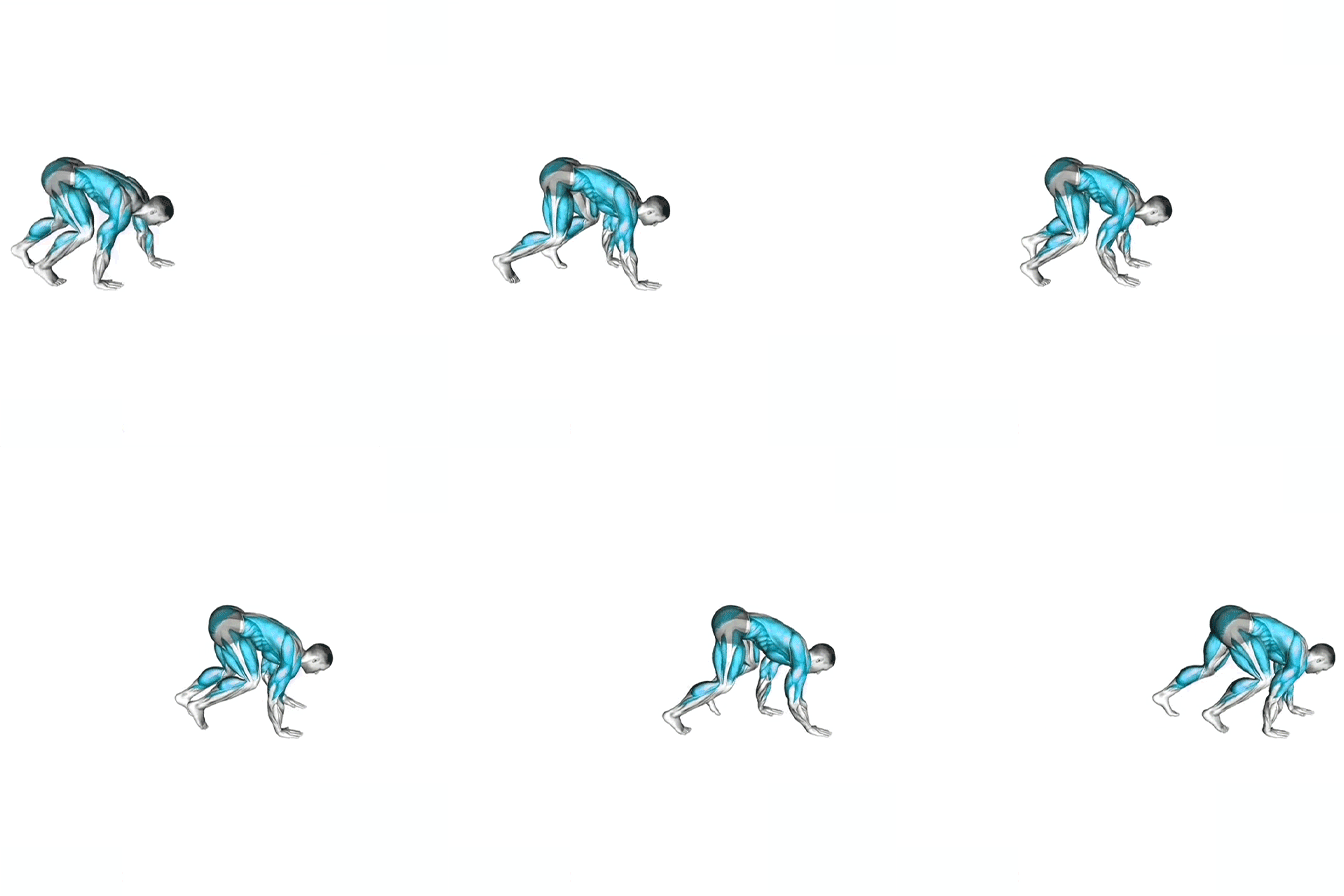
The bear crawl is one of the most powerful functional bodyweight exercises you can perform. It engages your shoulders, core, legs, and cardiovascular system all at once, making it a great choice for building strength, endurance, and mobility. Often used in athletic training and conditioning circuits, the bear crawl improves coordination, balance, and agility while burning calories quickly.
Unlike traditional static exercises, the bear crawl challenges your body to move in a coordinated, controlled manner, activating stabilizing muscles that often go neglected. This makes it a go-to exercise for athletes, CrossFit enthusiasts, and anyone who wants to improve overall fitness without equipment.
Instructions for Bear Crawl Workout
1. Warm-Up (5–10 minutes)
-
Start with light jogging, jumping jacks, or dynamic stretches like leg swings and arm circles.
-
Focus on loosening your shoulders, hips, and core to prepare for the crawling movement.
2. Bear Crawl Circuit (10–15 minutes)
-
Station 1: Forward Crawl (30 seconds) → Move forward in a controlled crawl, keeping hips low and core engaged.
-
Station 2: Backward Crawl (30 seconds) → Crawl backward with proper form, moving opposite limbs in sync.
-
Rest (30 seconds) → Take a short rest to catch your breath.
-
Repeat 4–6 rounds.
Optional: Add other bodyweight moves like push-ups, burpees, or jumping jacks between sets for extra intensity.
3. Cool Down (5–10 minutes)
-
Stretch shoulders, back, and legs.
-
Include deep breathing to relax muscles and lower heart rate.
Pro Tips for Perfecting Bear Crawls
-
Maintain Proper Form: Keep your back flat, core tight, and hips low. Avoid arching or sagging.
-
Start Slow: Begin with short distances or slow crawls before adding speed or complexity.
-
Engage the Core: Keep abs braced throughout to protect your lower back.
-
Steady Breathing: Don’t hold your breath; maintain a natural rhythm.
-
Choose the Right Surface: Use mats or grass if training on hard floors to reduce strain on hands and knees.
Benefits of Bear Crawl
-
Strengthens shoulders, chest, and arms.
-
Builds powerful core stability.
-
Improves hip mobility and flexibility.
-
Enhances coordination, agility, and balance.
-
Burns calories and boosts cardiovascular endurance.
-
Functional movement that translates well into sports and daily activities.
The bear crawl is more than just a conditioning drill—it’s a full-body strength and endurance exercise that can be adapted for all fitness levels. Whether you’re a beginner starting slow or an athlete adding crawls to high-intensity circuits, this dynamic movement will challenge your body in new ways. Incorporate bear crawls into your routine to build strength, agility, and stamina without any equipment.
Related Posts
Smash Your Goals 🚀
Smart Workout Power Calculator
Burpees Workout Guide: Benefits, Proper Form, Variations, and Fitness Tips
Push Press Exercise Guide: How to Do It Properly, Benefits, Tips & Technique Breakdown
How to Do Deadlifts with Proper Form: Step-by-Step Guide, Tips, and Benefits
Kettlebell Swings: Proper Form, Benefits, and Step-by-Step Guide for Strength & Fat Loss
Skipping: The Underrated Cardio Workout